The short answer: jetting cleans the pipe wall, it does not repair it
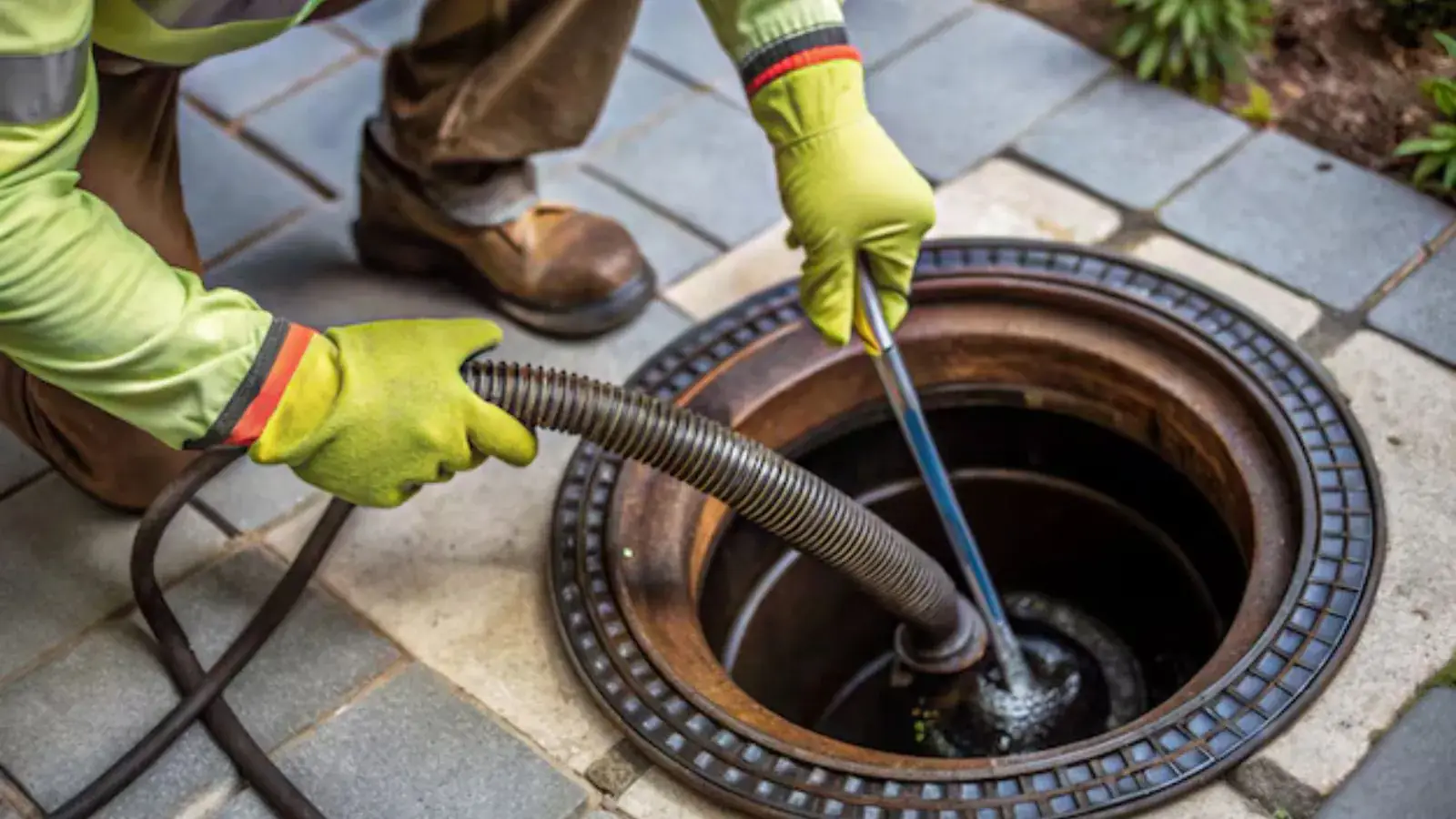
Hydro jetting uses a hose and a nozzle that sends high pressure water in a spinning pattern inside the pipe. The water scours grease, scale, sludge and small roots from the walls. It restores the pipe to near full flow when the pipe itself is sound.
It will not fix a collapsed pipe, a bellied section or a joint that has pulled apart. That is why a camera look comes first. The camera tells you whether jetting is the right tool.
Jetting compared to cabling
| Point | Hydro jetting | Cable machine |
|---|---|---|
| How it works | High pressure water scours the walls | A rotating cable cuts or pulls the clog. |
| Best for | Grease, scale, sludge, fine roots | A single soft clog or a heavy root mass. |
| Pipe wall result | Cleans the full wall | Opens a channel through the middle. |
| Risk with weak pipe | Higher, so a camera check comes first | Lower for fragile pipe. |
| Repeat clogs | Often reduced by a full cleaning | Can return sooner. |
How a jetting visit usually goes
Camera first
The plumber looks inside the line to confirm its condition.
Access
The hose goes in through a cleanout, a pulled toilet or a vent opening.
Jet the line
The nozzle works down the pipe, then is pulled back while cleaning.
Camera again
A second look confirms the wall is clear and shows any damage that was hidden.
Signs your main line needs cleaning
Several drains slow at once. Toilets gurgle when the washing machine drains. Water backs up in the lowest fixture, usually a shower or tub. These signs point to the main line, not a single fixture trap.
A strong sewer smell outdoors or near the cleanout is another clue. If a cleaning clears the problem for a few months and the symptoms return, the pipe wall may hold scale or roots that cabling left behind.
Pipes that need extra care
A camera check tells you whether jetting is safe, since high pressure water can damage fragile pipe.
- Old cast iron with flaking walls.
- Clay pipe with offset or cracked joints.
- Orangeburg or fiber pipe that has softened.
- Lines with known belly sections that hold water.
- Any pipe the camera shows as cracked or collapsed.
Norco homes and what the main line carries
Some properties near Norco may use septic systems or long private laterals, so the first question is whether your home connects to a city sewer. Ask the City of Norco which service your address has. Jetting a septic line is a different job than a city lateral.
Homes on larger lots can have long runs to the sewer connection, which means more pipe where roots can enter. Older homes may have older pipe materials. A camera tells you what you actually have.
Ask the City of Norco whether your address is on city sewer and who maintains the connection.
Source type: City of Norco utilities and sewer service information.
What jetting does for roots and grease
Fine roots grow into joints and hair-like strands fill the pipe. A jetter cuts those strands and flushes them out, which a cable may leave in place. Grease is the other big one. It cools and sticks to the wall, and jetting scours it away.
Roots can return, because the cause is the joint they enter. If the camera shows roots at a failing joint, ask about repair as well as cleaning.
Habits that keep the main line open
Keep grease out of the sink and wipes out of the toilet. Scrape plates into the trash. Run water after the garbage disposal. If you have trees close to the line, a camera check every couple of years catches root growth before it becomes a backup.
When jetting is not the answer
If the camera shows a broken or collapsed section, jetting will not help and can make things worse. The fix is repair or replacement of that section. If the line is flat or bellied, water pools and settles, and cleaning only buys time.
We tell you what the camera shows and what each option involves. Our hydro jetting team works with our sewer inspection crew to make the call. We serve Norco, Corona and Eastvale.
Questions to ask before you book
Ask whether the visit includes a camera look before and after. Ask whether the plumber has jetting heads for your pipe size, and whether you will get the video. Ask what happens if the camera shows damage.
A short written summary of the finding helps if you need a repair quote. It also gives you a record for the next owner of the home.
What affects the result of a jetting job
| Factor | Effect | What to ask |
|---|---|---|
| Pipe material | Fragile pipe limits pressure | What does the camera show? |
| Pipe diameter | Sets the right nozzle and flow | Which jetter fits my line? |
| Access point | A clean cleanout makes the job faster | Do I have a cleanout? |
| Length of the line | Longer lines take more time | How far is the run? |
| Blockage type | Grease, scale or roots call for different heads | What is the blockage? |
What to do while you wait for the plumber
Stop using water in the home. Every flush and every load of laundry sends more water into a blocked line, and it can come up in the lowest drain. Close the lid on the toilets and keep people out of the affected bathroom.
If sewage is already inside, keep children and pets away and avoid touching it. Open a window for air. Take photos for your records, since water damage may be part of an insurance claim.
Keep the video and the report
The before and after video is the proof of what was done and what the pipe looks like. Ask for the file and save it with your home records. If you sell the home, a buyer can see the line was cleaned and inspected.
Code note
Any repair after jetting follows the UPC-based California Plumbing Code for sewer pipe and cleanouts.
Hydro jetting questions
It depends on the pipe. A camera check comes first. Fragile or cracked pipe may need a lower pressure or a different method.
Many visits run a couple of hours, including camera work. Long or heavily blocked lines can take longer.
No. It clears roots from the pipe, but they can return unless the entry point is repaired.
The method differs. Ask the plumber about the right tools for a septic system.
Yes. Stop using water in the home and call.